Skip to content

How eCommerce Apps Can Supercharge Customer Lifetime Value
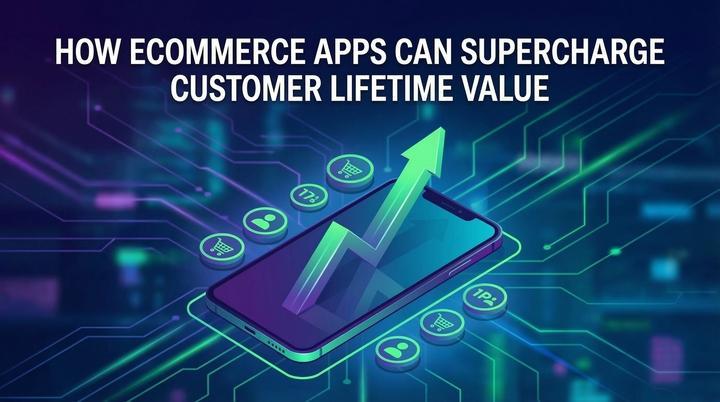
Most eCommerce brands are chasing behind the next sale. But little do they know that the real money isn’t in the first purchase. It’s in what happens after that same purchase. Think about your own habits for a second. How many times have you deleted a shopping app because it felt slow or irrelevant? And how many apps do you keep because they just get you? These apps remember what you like and somehow show up with the right notification at the right time.
This is when the company behind those ecommerce apps works on the basis of strategy. In a world where customer attention is fragile and loyalty is earned with one interaction at a time, eCommerce apps are the sales channel that act as powerful relationship builders.
And when used right, they turn one-time buyers into long-term customers who keep coming back, again and again.
What is Customer Lifetime Value?
Customer Lifetime Value (CLV) is basically just a method. It allows you to understand how much a customer is actually worth to your business over time. Yes, over a period of time, not just from a single purchase.
Instead of observing how much a customer buys in one day, you go for more. You look at how long that customer will stay with you and how often they will come back.
A customer who buys once and disappears has low lifetime value. However, at the same time, someone who returns regularly naturally trusts your brand. This is why they will choose you over your competitors. This is a high Customer Lifetime Value. This is also where sustainable growth comes from.
In eCommerce, this matters because acquiring new customers is expensive. Ads and promotions cost a lot, especially if you don’t have a good strategy on how and when to post them. CLV helps shift the focus from short-term wins to long-term relationships. It also encourages brands to invest in better experiences and loyalty. This way, customers don’t just buy once; they also keep coming back.
Why Does Customer Lifetime Value Matter in eCommerce Apps?
What we explained above, Customer Lifetime Value matters a lot in eCommerce apps. This is because apps aren’t built for one-time transactions; they’re built for repeat behavior.
When someone installs your app, they’re giving you more than just a chance to sell. Every user is giving you space on their phone. That’s a big deal. A higher value means that the platform is being used well.
This is when you know that the customers are opening the app more often and also buying more frequently. That’s what will help them stick with your brand instead of just going to another one.
From a business point of view, it helps eCommerce apps make smarter decisions. It shows whether features like personalized recommendations or loyalty rewards are actually working. More importantly, it shifts the focus from constantly chasing new installs to focusing on existing users.
This is because keeping an engaged app user is far more affordable than acquiring a new one every time.
Why are eCommerce Apps So Powerful?
eCommerce apps are powerful because they create a direct connection that is always available between a brand and its customers. This is the kind of vibe that users want, and websites simply can’t match.
Once an app is installed, your brand becomes part of a customer’s daily digital routine. It’s faster to open and more personal by design. Customers don’t have to search for you again because for them, you’re already there. When you only provide this convenience, it naturally increases the chances of repeat visits and repeat purchases, too.
When you develop your app with an ecommerce app development company, that’s when your app turns out exactly how your users want.
But the real power lies in control and context. Apps allow brands to personalize experiences and remove friction at every step of the journey.
Over time, this turns casual shoppers into habitual users. Instead of competing for attention every time, eCommerce apps build familiarity. It helps long-term loyalty and higher customer lifetime value.
How Do eCommerce Apps Supercharge Customer Lifetime Value?
eCommerce apps have the ability to supercharge Customer Lifetime Value. They do this by turning shopping into an experience. Usually, it is just about a transaction, but it can be more. Let us explain how:
Unlike one-off website visits, apps are designed for continuity. They remember who the customer is and how they shop. Every interaction reduces the shopper’s effort and increases their comfort. And when shopping feels easy to do, customers naturally come back.
Apps also allow brands to stay relevant over time. Through push notifications at the right time and good loyalty rewards, businesses can keep re-engaging users. The best part is that they do this without being intrusive. Instead of shouting for attention, they show up with purpose. So, customers spend more and return more often. This makes them stay longer but consistently increasing their lifetime value.
Below, we have mentioned some important essentials that help supercharge the customer lifetime value. In ecommerce aps, this is about:
- Personalized Shopping Experiences
- Push Notifications
- Faster Checkout
- Loyalty Programs
- Pust-Purchase Experience
- In-App Customer Support
- Insights to Retain High-Value Customers
- Omnichannel Consistency
You just have to make sure that you set these properly without overwhelming your users. Everything requires comfort and the balance of simplicity.
Wrapping It Up
Ecommerce apps are simple; users use them to shop for their absolute favorite products at affordable prices. All they want is that they to get the desired product, and the recommendations would also be the same. Made just for them. If you’re planning to launch a new ecommerce app, then reading this blog will help you a lot. The moment you launch it, you’ll start focusing on retaining your customers. Yes, it’s not about just providing the best; it is about being there for them and keeping them with you.
Just balance everything in your app by keeping your users in mind. You’re not there to please the market, you’re there to solve problems for your users.