Skip to content

Magento at Scale: How we Achieved Under 200ms Average Server Response Time in Google Search Console
Most performance efforts in Magento revolve around surface-level optimizations. But at scale, performance problems are rarely about a single bottleneck. They are about consistency, stability, and control over how requests are handled.
Instead of asking, “How do we make Magento faster?”, a more effective question was:
“How can we design the system so legitimate requests are served by Varnish, non-legitimate requests are blocked by NGINX, and Magento application is reached only when absolutely necessary?”
Result :
- CPC dropped by 15%
- Conversion rate increased by 20%
- Ad savings exceeded $8,000 per month
What Was Actually Targeted
1. Handling Peak Load Properly
Most Magento stores appear fast under ideal conditions. The real challenges begin when traffic becomes concurrent — paid campaigns, organic spikes, bots, and background jobs all hitting the system simultaneously.
At that point, performance doesn’t just slow down, it becomes unpredictable.
The focus here wasn’t raw speed, but stability under load.
Instead of optimizing only for the fastest response times in ideal conditions, the focus shifted to maintaining stable and predictable performance as concurrent traffic increased.
From a crawl, conversion, and SEO perspective, consistently fast page responses under load are far more valuable than occasional peak speed results achieved under low traffic conditions.
If a page responds in 200ms sometimes and 2 seconds at other times, it introduces:
- inconsistent crawl behavior
- higher probability of timeouts
- reduced crawl efficiency under load
Search engines don’t experience your “best-case” performance; they experience your system under pressure.
So the goal wasn’t just to reduce response time, but to eliminate response-time volatility by:
- stabilizing cache hit behavior
- reducing backend contention
- ensuring predictable performance under concurrent load
At scale, consistency is what sustains crawl rate not peak speed.
2. Improving Varnish Cache Hit Ratio
This was one of the highest-impact areas.
Every cache miss was treated as a failure to investigate not an acceptable outcome.
Instead of scaling infrastructure, the focus was simple:
- Why is this request reaching the backend?
- Should this response be cacheable?
- What is breaking cacheability?
Because at scale, cache misses don’t just increase load they directly affect crawl efficiency. Higher backend dependency leads to higher TTFB variability, which in turn reduces how aggressively search engines crawl the site.
Most inefficiencies came from small but critical issues:
- unnecessary cookies triggering ( X-vary changed due to a cookie ) cache MISS due to a different cache page version required.
- overly broad pass conditions in VCL
- dynamic blocks embedded in otherwise cacheable pages
2.1 Reducing Page versions by applying VCL rules :
Example or Cause :

Here we applied a strip url in VCL to handle so that we don’t need multiple page versions cached in varnish.
A. Action >> X-vary handling at Magento code level
Identified cookies that were not needed in http context and then setting those to false so that X-vary is not changed due to these cookies.
B. Action >> VCL strip trekking url part :
URl is a part of hashing so we shall remove the trekking URL part before we hash.
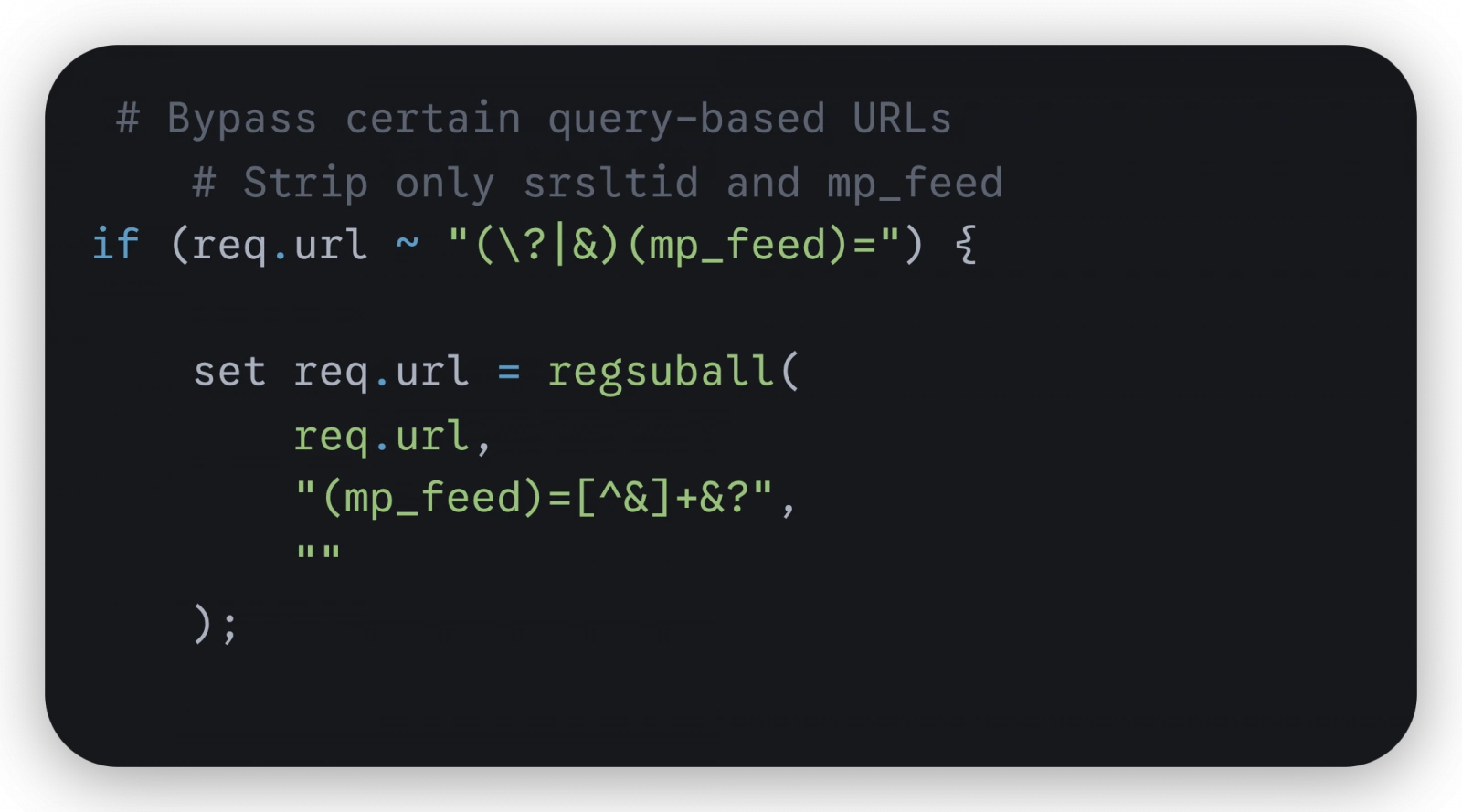
By tightening control at the nginx or VCL level and eliminating unnecessary variability, cache hit ratio improved significantly.
That had two direct effects:
- reduced backend load under concurrency
- more consistent TTFB across requests
At scale, cache efficiency is not just a performance metrics, it is crawl enabler.
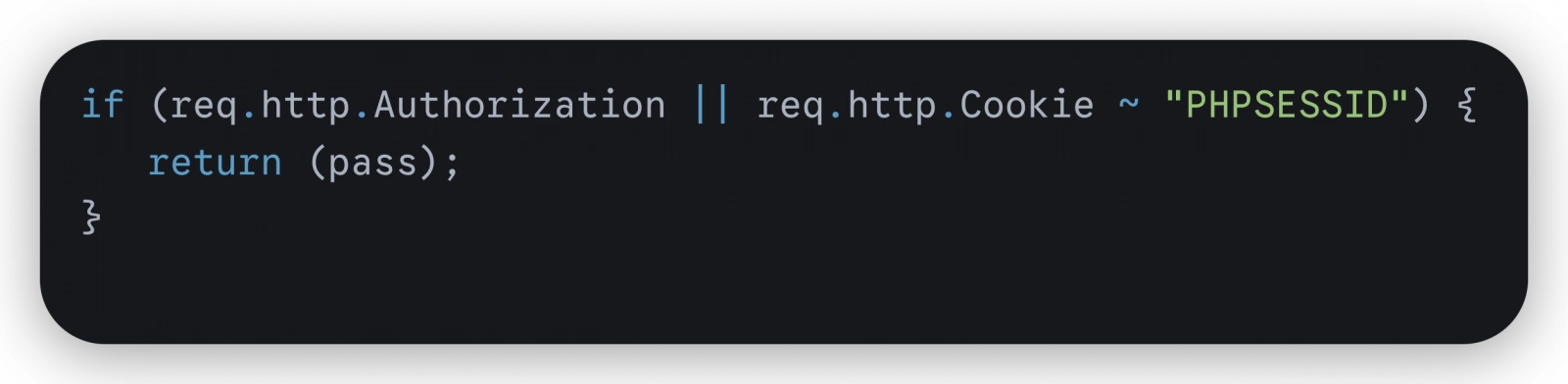
2.2 : Reduce a Pass or a separate version from being delivered due to cookie value
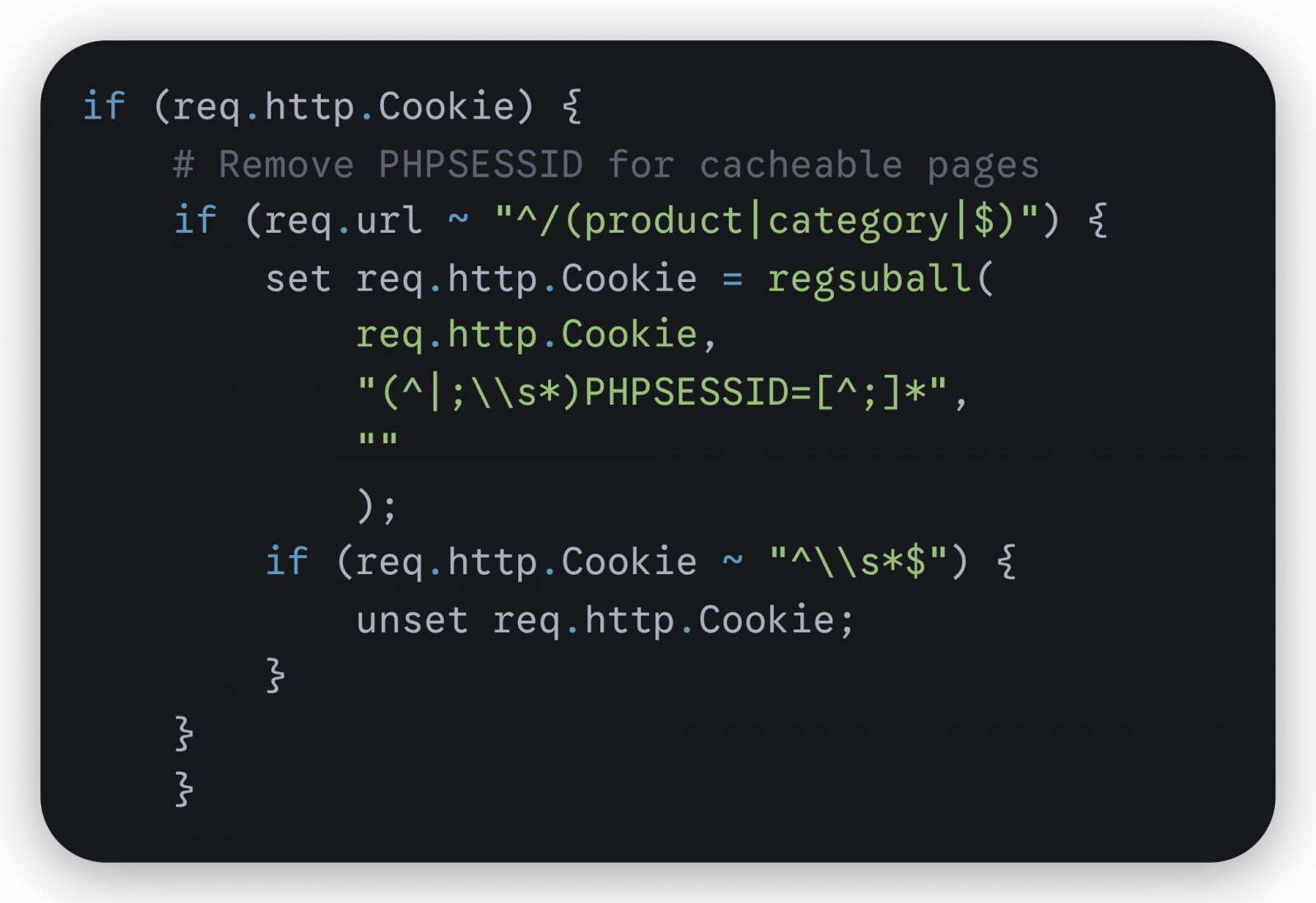
Instead of
3. Reducing Non-Cached Page Loads
This turned out to be the single biggest lever.
Not because of frontend gains but because every non-cached request directly increases backend pressure, TTFB variability, and crawl inefficiency.
Instead of guessing, the entire effort was driven by access log analysis.
Every request was evaluated with a simple question:
Why did this hit the backend( Magento Application ) instead of Varnish?
The analysis focused on:
- requests with MISS / PASS instead of HIT
- high-frequency URLs bypassing cache
- bot traffic (especially Googlebot) hitting uncached URLs
- patterns in cookies, sessions, and request headers
3.1 Reducing pages from hitting the application
One of the biggest performance improvements came from reducing the number of requests that actually reached the Magento application layer.
At scale, Magento performance is not only about faster PHP execution or database optimization. The real challenge is minimizing unnecessary application hits and ensuring that only valid, cacheable requests are processed by Magento.
The strategy focused on three key layers:
- Legitimate cacheable requests were served directly through Varnish
- Invalid, outdated, or abusive requests were blocked at the NGINX level
- Magento application execution was reserved only for essential dynamic requests
This significantly reduced backend load and improved overall response consistency.
a. Handling Old URL Patterns
A large number of outdated URLs were still being requested by search engines, bots, and external backlinks even though those URL structures no longer existed on the website.
Example of an outdated URL pattern:
https://www.example.com/body-kits-aerodynamics/trunks-hatches/1992-carboncreations-nissan?year_end=1619
Since these URL structures had already been replaced with newer SEO-friendly patterns, several approaches were implemented:
- Permanent 301 redirects wherever valid replacements existed
- Temporary 302 redirects for specific bot requests during transition periods
- Direct 403 blocked responses for invalid or abusive URL patterns
- Restricting unnecessary parameter-based crawling to prevent wasteful requests
This helped eliminate a large amount of unnecessary traffic from reaching Magento while preserving SEO value for important pages.
b. Understanding MageVary and Cache Behavior:
To validate caching efficiency, Varnish logs and MageVary headers were analyzed continuously.
Example log entries:
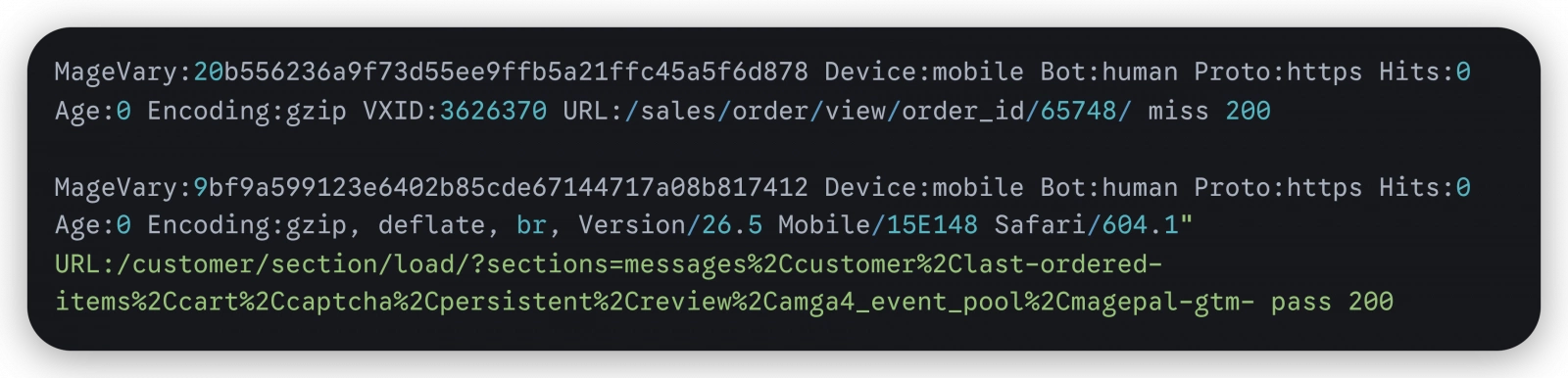
These logs provided valuable insights into how requests were being handled:
- hit requests confirmed that Varnish was successfully serving cached pages without reaching Magento
- miss requests indicated uncached or dynamic requests that required Magento processing
- Device-based MageVary values helped separate mobile and desktop cache variations
- Bot traffic could be identified and filtered independently from real user traffic
- Customer account and checkout-related URLs were intentionally excluded from caching
3.2 Block non legit urls
Example : Non Legit
https://www.example.com/coilovers/2009-coilovers-cube?amp%3Bp=26
Action: Block for bots by adding a rule in robots.txt
Disallow: /*?amp
Note: As these are duplicate pages or non indexed value pages so disallow for bots.
3.3 Block Layered navigation plus pagination for spider crawling
Example: Layered navigation URL
https://www.example.com/exterior-accessories/running-boards/2006-aps-extendedcab-hairline
Action:
These URLs are generated based on layered navigation filter combinations.
Applied attributes in this example:
- Body Style: Extended Cab
- Finish: Hairline
- Year: 2006
- Brand: APS
No pagination is applied in this URL.
If a URL contains more than 3 layered navigation attributes, we block it for bots because these pages are not expected to be warmed in cache. These URLs can also generate in very large numbers, so we blocked them at the Nginx level using custom rules.
Example: Layered navigation URL with pagination
https://www.example.com/exterior-accessories/running-boards/2006-aps-extendedcab-hairline?p=2
Action:
After reviewing Google Search Console data, we found that pagination URLs were not getting indexed and their content was already covered by other URLs. To avoid unnecessary crawling, we added the following robots.txt rule:
Disallow: /*?p=*
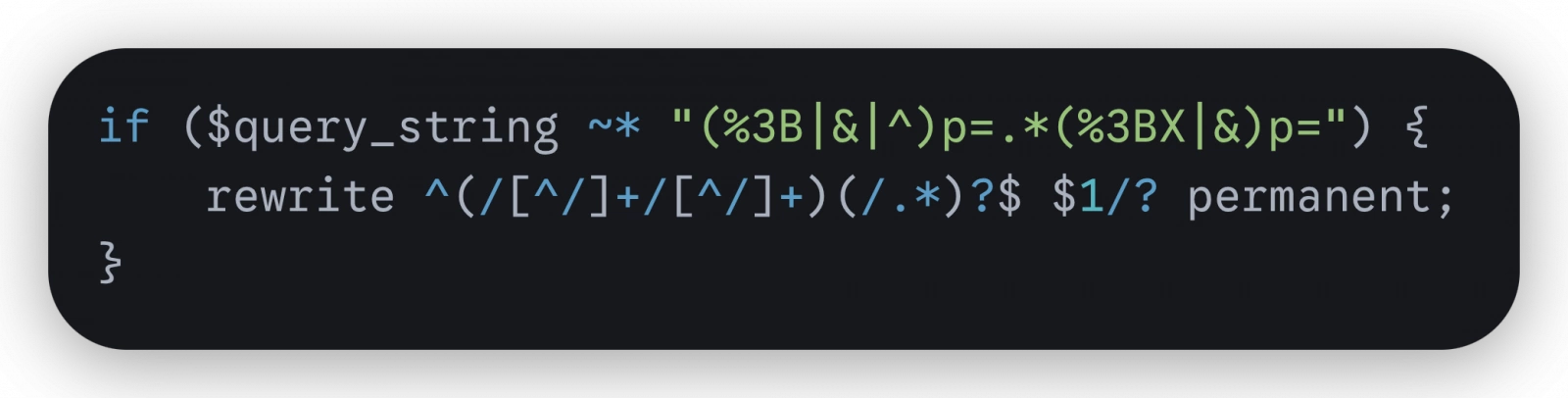
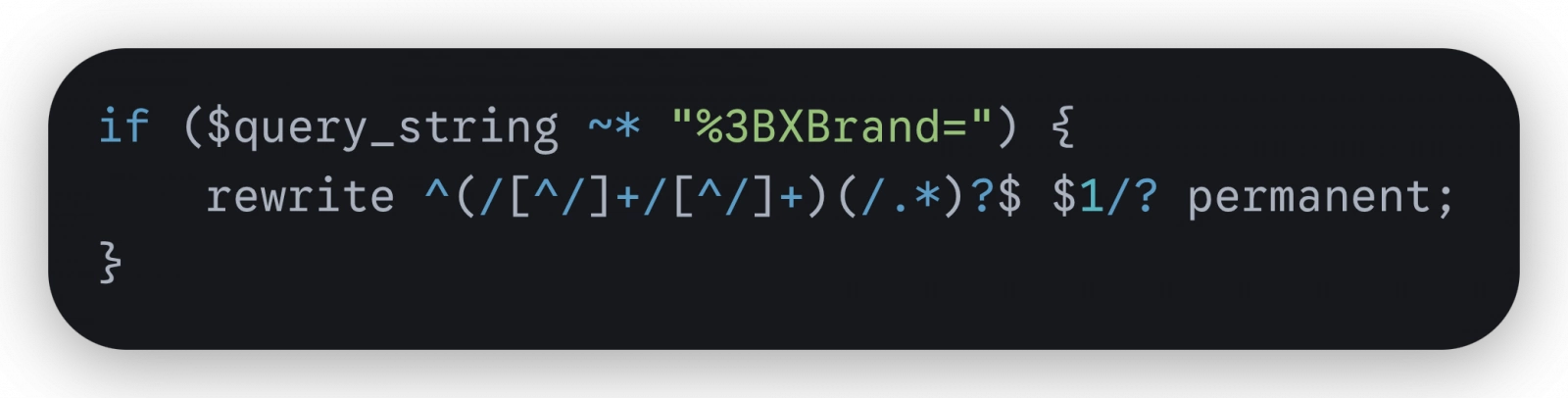
3.4 Set 301 for previous urls that were modified over a period of time.
a) Example 1:
b) Example 2:
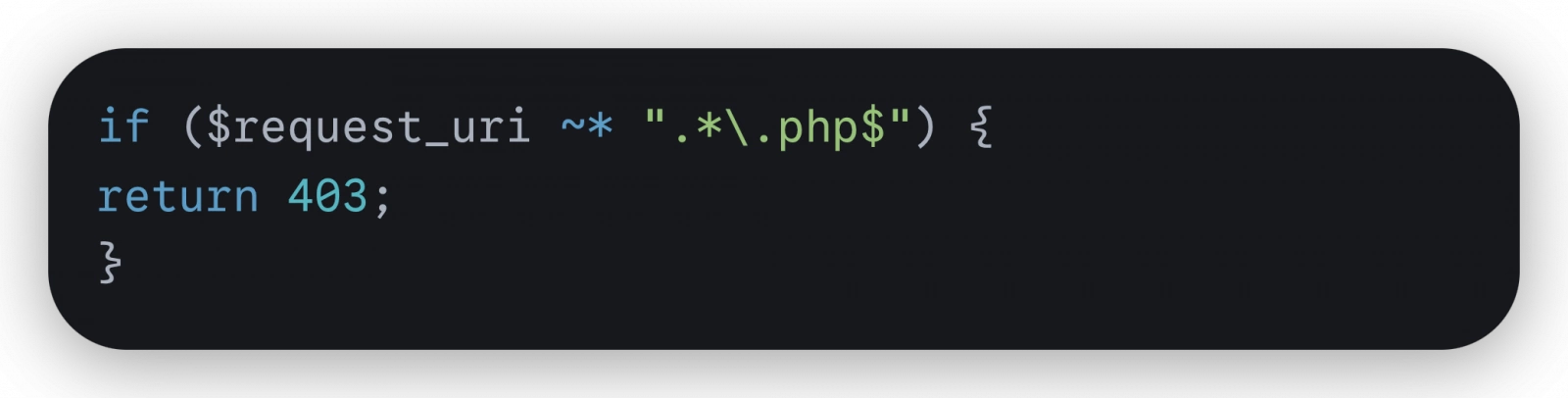
3.5 Other action that resulted in security plus lesser load
a)# Block access to sensitive files

b)# Block direct PHP access except index.php
But reducing non-cached requests improves system behavior under load which is what search engines actually experience.
At scale, fewer backend hits means more consistent crawl and that is what moves rankings.
What Was Not the Focus
Interestingly, several commonly recommended optimizations were deliberately deprioritized.
Not because they’re useless but because they don’t address performance instability at scale.
Not chasing Lighthouse scores
Lab scores can look impressive, but they reflect ideal, single-request conditions not real-world concurrency.
A high score doesn’t guarantee stable TTFB under load. And search engines don’t experience your site in isolation; they crawl it under varying system pressure.
Not over-optimizing images or JavaScript blindly
Image compression and JS reduction improve frontend performance, but they don’t fix backend bottlenecks.
If requests are still hitting Magento due to poor cache efficiency, frontend optimizations deliver limited impact especially during traffic spikes.
Not adding more tools or infrastructure layers
Instead of introducing additional complexity ( plugins, optimization layers), the focus was on simplifying request flow:
- fewer backend hits
- cleaner cache behavior
- predictable response patterns
Because additional layers don’t solve the problem if the core request handling is inefficient.
These optimizations still have value.
But when the real issue is performance variability under load, they operate at the edges not at the core.
At scale, stability beats surface-level speed improvements.
What Happened After
Once these changes were implemented, the impact was clear:
- CPC dropped by 15%
- Conversion rate increased by 20%
- Ad savings exceeded $8,000 per month
These weren’t surprising.
When performance becomes consistent, user behavior improves bounce rates drop, engagement increases, and paid traffic converts better.
Speed isn’t just a technical metric. It directly impacts revenue.
The Core Insight
One key realization stood out:
Speed at scale is less about making Magento faster, and more about using Magento less.
Most teams focus on improving backend performance:
- faster queries
- better indexing
- bigger servers
But the real advantage comes from avoiding backend execution altogether.
If a request is served from cache, Magento isn’t involved.
And when Magento isn’t involved:
- response times are consistent
- server load drops
- scaling becomes much easier
A Different Way to Think About Performance
When performance is approached with clarity:
- you stop chasing vanity metrics
- you focus on real bottlenecks
- results become consistent, not random
Instead of reacting to issues, you start controlling the system.
And that’s what truly matters at scale.
Final Thought
At 50,000 SKUs, performance is not about individual optimizations. It’s about understanding how requests flow and eliminating unnecessary backend work.
Once that control is in place:
- stability improves
- speed becomes consistent
- business metrics follow
If you are working on Magento at scale, inconsistent performance is rarely solved by adding more.
It’s solved by removing what should not be happening in the first place.